Manufacturing & Fabrication
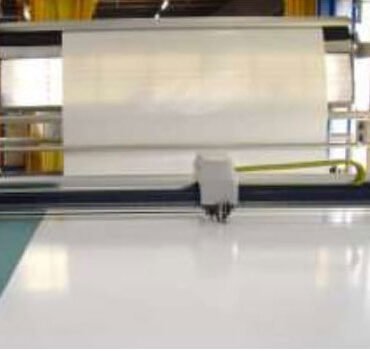
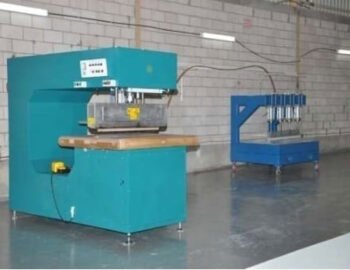
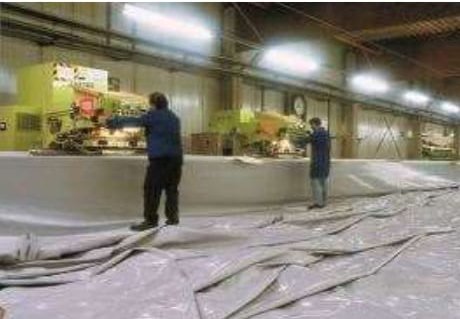
We have fabrication facilities for the fabric, steel and cable elements of our structures, this has allowed us to implement strict quality control measures during fabrication to ensure our structures are always of the highest standards.
Fabric Types There are a number of fabrics that can be used for tensile structures and to select the appropriate one you need to ask yourself the following
questions:
What lifespan do I want from the structure/fabric? There are fabrics that range from a 1 year lifespan up to 50 years and more.
What colour do I want to the fabric to be? – There are numerous choices available but the further from White you go the more the other points here are usually compromised (i.e. lifespan, translucency, fire retardancy)
What appearance do I want the fabric to have, the choices being: Translucent fabric – Fabrics can let in as much as 35% light)
Opaque fabric – Desirable for an event arena of a venue where precise control over the light levels is required
Mesh Fabric – These can allow you to look right through the fabric from a distance while still providing wind and solar protection (thus often used for facades, sunscreens, ceilings, etc)
What fire retardancy do I require – Fabrics are available in a wide range of fire retardancy and this question is becoming more important as architects and clients start to more fully consider the entire lifecycle and usability of a structure
How often do I want to clean the fabric – Major technological advances have been made in the coating of architectural fabrics, giving them amazing self-cleaning characteristics. This is usually a cost vs. ease of access exercise to determine the most appropriate fabric.
In answering these questions we will advise you as to the most appropriate fabric for your structure, but the main fabric types are also summarized below.
coated in PVC (to give the protection from the elements). It usually offers
the best compromise between performance and cost as lifespans of up to 30 years are available for about a third of the cost of using PTFE. It also offers good translucency and fire retardancy and is available in a range of colors. It must be noted that PVC fabrics are available in a massive range and at the lower end they only last a couple of years and exhibit very few of the positive characteristics noted above. Unfortunately their appearance is very similar to the good ones so it is imperative that the client understands the fabric specification in detail
Soiling characteristics are significantly improved if a PVDF coating is applied.
Ceno-membranes made of PVC/polyester comply with the most demanding quality standards.
Very interesting architectonic applications become feasible thanks to the membranes' high degree of flexibility, UV resistance and resistance to weather as well as their translucency especially in the case of light colours.
The above material types are the standard products used for well over 90 % of all textile roofing. The specified values are approximate.
The above material types are the standard products used for well over 90 % of all textile roofing. The specified values are approximate.
material as possible is requested or a non-combustible material is specified by the building authorities.
The following table attempts to evaluate the different materials under different aspects; the table is designed to show comparative aspects (and should not be used solely for decision-making).